


7 SockIt To Me Alternatives for Sock Knitting Patterns
Quick Summary
A sockit to me alternative for patterns is a downloadable sock knitting pattern you knit yourself rather than a ready-to-wear sock pack. Sources such as Ravelry, Nimble Needles and Very Pink Knits differ in construction, difficulty, yarn weight and sizing, so check those details before casting on.
- Toe-up patterns let you try the sock on as you go; cuff-down patterns are more common for first socks.
- Most sock patterns call for fingering weight at roughly 7-9 stitches per inch.
- Measure the foot around the ball and compare it to the pattern's finished circumference and ease.
- Knit a gauge swatch in the round before substituting yarn, since skipping it is the most common cause of poor fit.
- Read the pattern license, since most allow personal use and gifting but selling finished socks may require permission.
Table of Contents
- Finding a SockIt To Me Alternative for Patterns
- Sock Knitting Pattern Websites Compared Side by Side
- How to Choose a Sock Pattern That Fits Your Skill and Yarn
- Frequently Asked Questions
Finding a SockIt To Me Alternative for Patterns
Looking for a sockit to me alternative for patterns? Browse the Sock It Up Animal Prey sock category to see an example of what this site offers. Start with pattern difficulty, sock construction method, and yarn weight. Check pattern clarity, sizing range, yarn guidance, and format before committing.
Sock Knitting Pattern Websites Compared Side by Side
A true sockit to me alternative for patterns is a downloadable knitting pattern you knit yourself, not a ready-to-wear sock pack. The table compares sources on construction, difficulty, yarn weight, sizing, and access; verify details on the source site before casting on.
| Source | Best For | Construction | Difficulty | Yarn Weight | Sizing Range | Access |
|---|---|---|---|---|---|---|
| Ravelry pattern database | Browsing thousands of sock patterns with filters | Toe-up and cuff-down | Beginner to advanced | Mostly fingering; some sport and DK | Varies by pattern; many include multiple foot lengths | Free and paid; downloadable PDFs |
| Nimble Needles (Norman) | Clear, free tutorials with matching patterns | Cuff-down and toe-up | Beginner to intermediate | Fingering | Often one size with adjustment notes | Free tutorials and patterns |
| Very Pink Knits | Video-led sock patterns | Cuff-down and toe-up | Beginner to intermediate | Fingering | Multiple sizes on many patterns | Free and paid; video plus PDF |
How to read the table: Toe-up patterns let you try on as you go; cuff-down patterns are more common for first socks. Most call for fingering weight at roughly 7-9 stitches per inch, always confirm the stated gauge and look for foot circumference ranges, not a single "one size" label.
Watch out: A pattern photo can hide a poorly written heel or vague sizing, so read the construction notes and a few project comments before buying.
Ravelry sock pattern search Nimble Needles sock knitting tutorials
How to Choose a Sock Pattern That Fits Your Skill and Yarn
Choosing a sockit to me alternative for patterns comes down to matching your skill level, your yarn, and the recipient's foot.
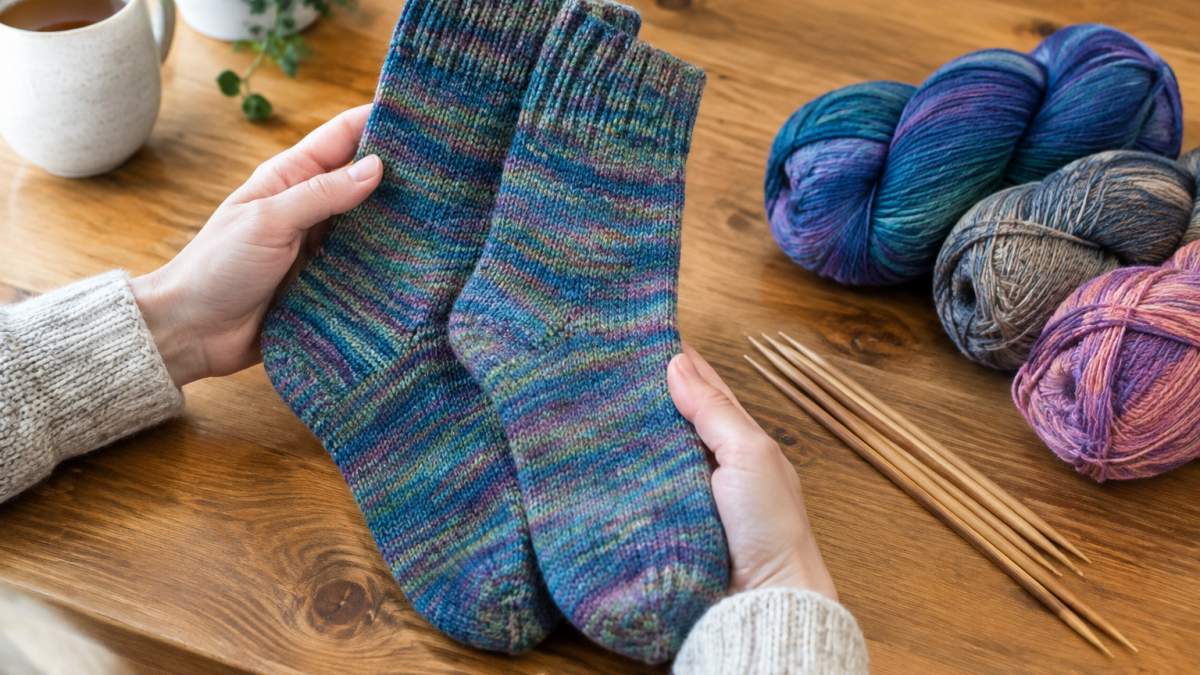
1. Match the pattern to your skill level. First socks: cuff-down with a heel flap and gusset, stockinette leg, and wedge toe. Toe-up with a short-row or afterthought heel suits second or third pairs. Confident knitters can add lace, cables, and colorwork, check the pattern includes both written and charted instructions.
2. Confirm yarn weight and gauge. Most sock patterns specify fingering weight at about 7-9 stitches per inch in stockinette. If substituting yarn, knit a gauge swatch in the round and check fiber content, superwash wool blends are durable, while cotton and bamboo may stretch.
3. Measure the foot and check the size range. Measure circumference around the ball of the foot and length from heel to toe, then compare to the pattern's finished circumference and ease. Socks are usually designed with about 10 percent negative ease, so a 9-inch foot often fits an 8-inch finished circumference.
4. Decide on construction and leg options. Toe-up suits yarn-stash knitting and try-on fit; cuff-down is more widely taught. Heel flap and gusset fits most feet; short-row heels suit higher insteps; afterthought heels are easy to replace. Check yardage before substituting leg lengths.
5. Check availability and licensing. Free patterns are often on designer blogs, Knitty, or Purl Soho; paid patterns are usually downloadable PDFs on Ravelry, Payhip, or Etsy. Read the license: most allow personal use and gifting, but selling finished socks may require permission.
Watch out: Skipping the gauge swatch is the most common cause of socks that fit poorly, especially when substituting yarn.
Knitty sock pattern archive Purl Soho free sock patterns
Frequently Asked Questions
Where can I find sock knitting patterns similar to SockIt To Me?
Look for pattern collections that list sizing charts, yarn weight, and construction method (toe-up or cuff-down) clearly on each listing. Compare a few designs in the same style before buying, and check whether the pattern includes instructions for multiple sizes. Matching the design style you like, such as lace, texture, or simple ribbing, usually narrows the choice faster than browsing by popularity.
What is a good alternative to SockIt To Me patterns for beginners?
Beginners do best with patterns labeled as beginner-friendly that use basic knit and purl stitches, a plain ribbed cuff, and a standard heel. Choose a pattern that calls for fingering-weight sock yarn and a needle size you already own. Avoid heavy colorwork or lace until you have completed one full pair, since those techniques add a second layer of difficulty to the heel and gusset.
What yarn works best for knitting socks?
Most sock patterns are written for fingering weight yarn, often a wool or wool-blend with a little nylon for durability. Wool holds shape and warmth, while cotton blends feel lighter but stretch more over time. If you substitute yarn, match the gauge in the pattern, check the yardage per pair, and knit a small swatch first so the finished socks fit the foot you are making them for.
